
Tea Time: Dragonwell Lung Ching
An organic version of one of China's famous teas from Arbor Teas

Given the cultural and historical importance of tea in China, it is not surprising that several varieties have become known as “China’s Famous Teas.” Although an initial list was compiled for the 1915 Panama World Expo, there is no authoritative list. Consequently, there can be some variation in what is included. However, a few teas have attained widespread appreciation and therefore consistently make the list. I have already talked about one, Tie Guanyin; however, there is another tea with an equally famed reputation: Longjing (or Lung Ching). Also known as “Dragonwell” (or “Dragon Well” or “Dragon’s Well”), this is a pan-roasted green tea. And like many famous teas, the history and mythos behind it are fascinating. So, let’s start by talking about dragons before we dive into the Organic Dragonwell Lung Ching from Arbor Teas.

“Here, There Be Dragons”
Sorry for the title, but I couldn’t resist. Anyway, dragons. They are somewhat culturally ubiquitous, appearing in many legends worldwide, though their characteristics and lore differ substantially between cultures. There are numerous scholarly works examining the origins of dragons, including how they appear to arise seemingly independently across many cultures. I am not equipped to discuss this in much detail, so I apologize. With that said, I think it is worth looking into the role of dragons in China, since they are part of the origin of this tea.
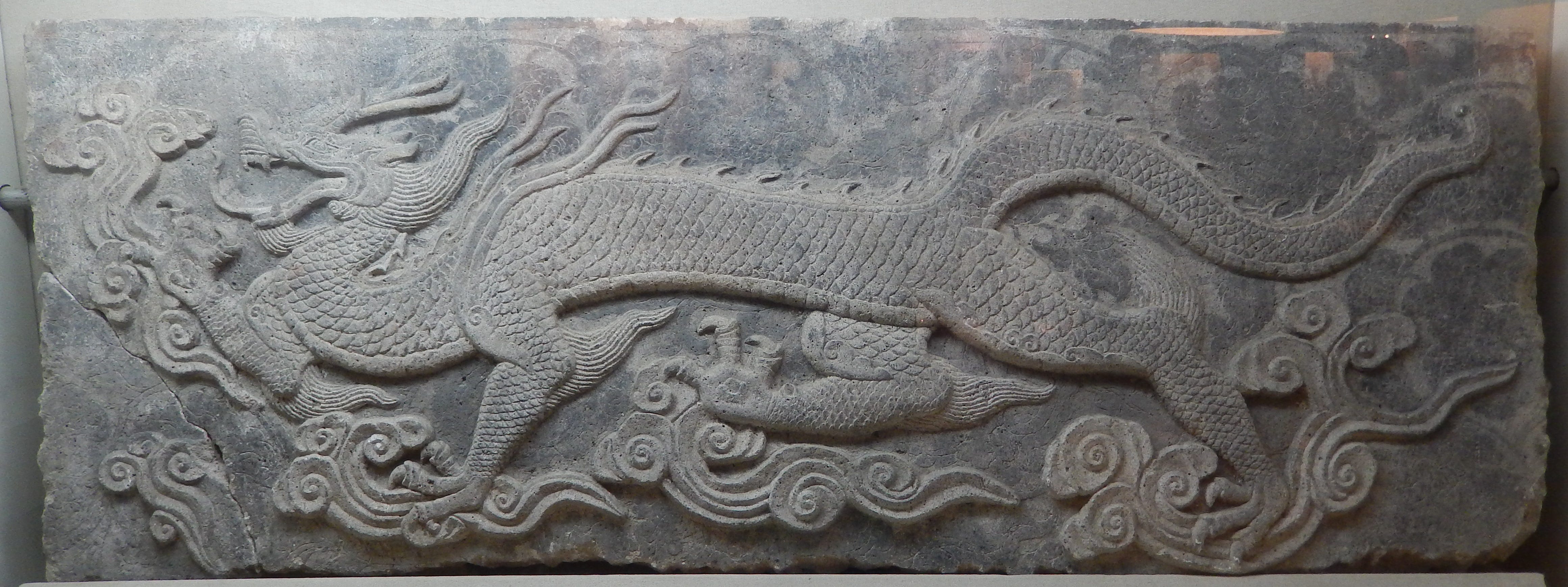
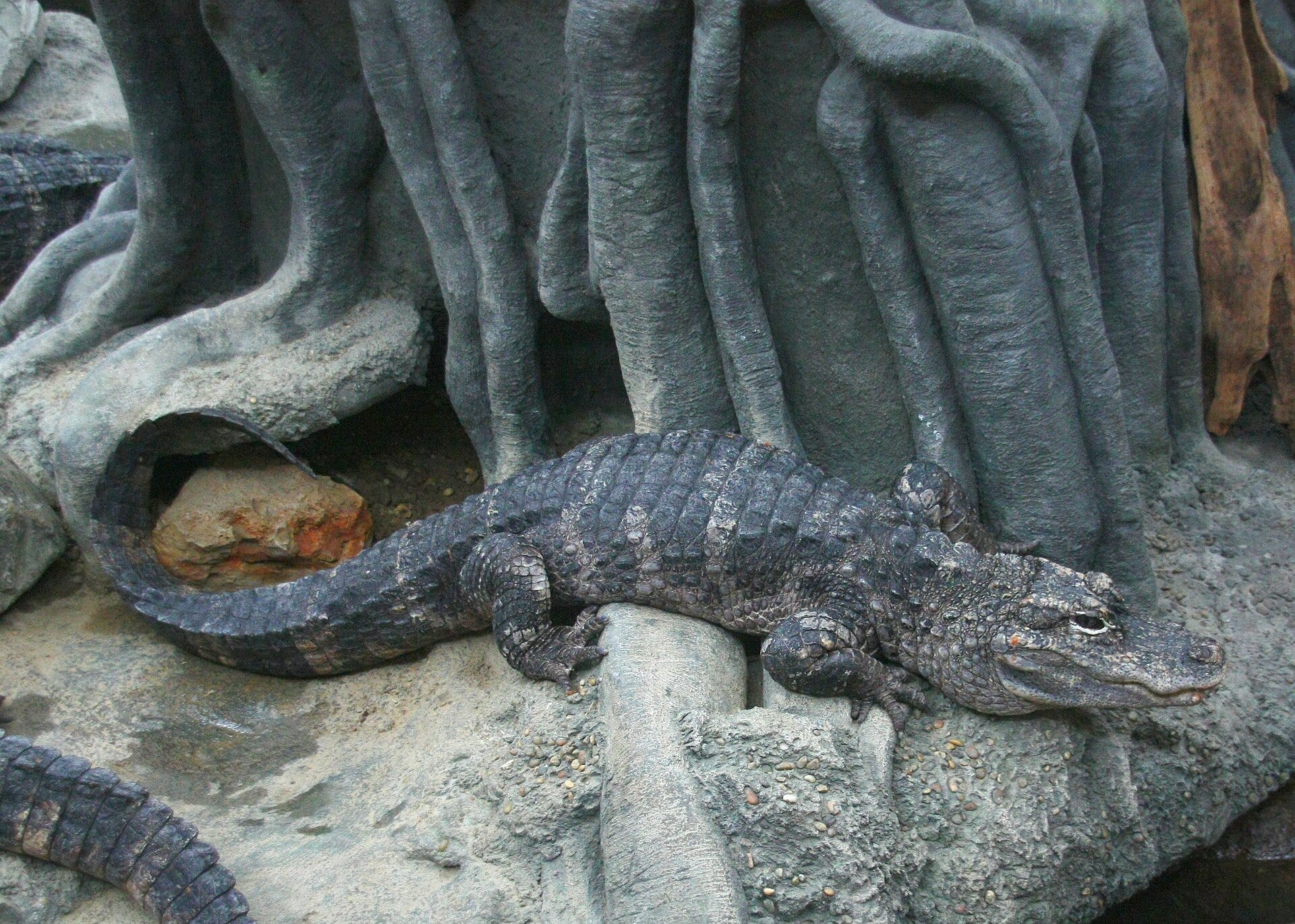
The Chinese dragon is often depicted as a serpentine (and rather ornate, in my opinion) tetrapod. Unsurprisingly, both snakes and the Chinese alligator have been identified as potential origins for the Chinese dragon. (Speaking as a non-expert, I also think the origins of dragons can be attributed, in part, to people coming across the fossils of dinosaurs (or other extinct animals) and trying to explain their existence. From my cursory research, it looks like there are written records detailing the discovery of “dragon bones,” such as those by historian Chang Qu who wrote about their findings in Sichuan in 300 BCE.)
There seems to be a connection to nature worship. That is not too surprising, considering that dragons have been associated with power, prosperity, and weather control. Throughout Chinese history, many religions have had a deity (or deities) known as the Dragon King(s) or Dragon God(s). In most cases, it seems like the Dragon King(s) can control water and weather, especially the sea and rain. Consequently, it has often been given a title related to the sea, including the Dragon Kings of the Four Seas (following the International Hydrographic Organization naming convention):
Dragon of the Eastern Sea: Ao Guang (proper name; associated with Dragon King Sagara), patron of the East China Sea.
Dragon of the Western Sea: Ao Run (proper name; associated with Naga King Varuna), patron of Qinghai Lake (and sometimes the Indian Ocean).
Dragon of the Southern Sea: Ao Qin (proper name), patron of the South China Sea.
Dragon of the Northern Sea: Ao Shun or Ao Ming (proper name), patron of Lake Baikal and the Sea of Japan (and sometimes the Arctic Ocean).
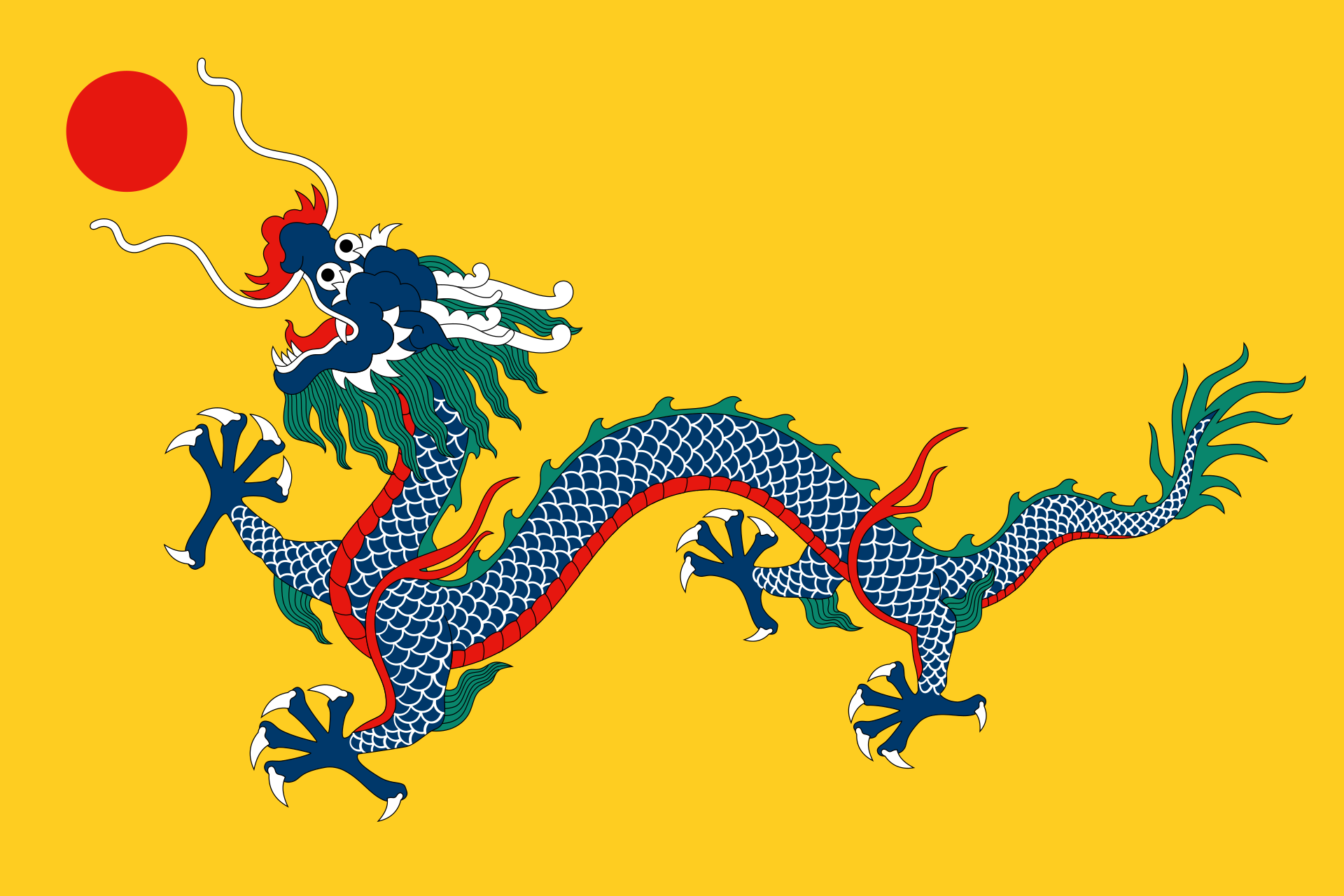
The veneration of dragons dates to prehistory, with cultures such as the Xinglongwa (6200–5400 BCE), Yangshao (5000–3000 BCE), and Hongshan (4700–2900 BCE) producing works (e.g., statues, stoneware, badges of rank, etc.) with draconic motifs. Its presence and reverence persist to this day and are even part of the Chinese zodiac (2024 was the Year of the Dragon, and 2036 will be the next iteration). It is easy to see why the dragon is prominently featured on the emperor of China’s clothes, sigils, flags, and even in their family history.
So, where does Longjing tea fit into this? Some sources refer to a legend in which a community near Hangzhou, where tea is primarily cultivated, was blessed by a dragon who brought rains that ended a drought. The source that I quote below is from the third edition of Tea: History, Terroirs, Varieties by Gascoyne et al.:
According to legend, around the year 250, a Taoist monk came across a dragon hiding in a well not far from Hangzhou. The peasants were praying night and day for the rains to return because a terrible drought was devastating the region. The monk told the villagers of his discovery, and they implored the dragon in the well to come to their aid. As soon as they started praying, clouds began to gather and it began to pour with rain. To commemorate the event, the tea and an ancient temple nearby were given the name “Dragon’s Well.”
So, there you have it! A dragon brought rain to the area, ending the drought. When I read this, I decided to ignore the fantastical elements of this story and look into whether we see any megadroughts in the broader area in any paleoclimate records. From what I can tell, there does not seem to be any megadrought occurring around that time, though there were multiple intervals during the first half of the Common Era during which severe droughts hit the region (Cook et al., 2022; Li et al., 2024). Regardless, I think it’s an interesting and fun story.
Dragonwell Lung Ching
Apologies for continuing to use Longjing rather than the name of the specific tea. I just prefer the former. Anyway, this is a green tea, meaning that it has not undergone the oxidation that would be used to make oolong and black tea. With Dragonwell, the tea leaves are also pan-roasted during production, which I think gives rise to some of the flavors (discussed below). As I stated earlier, this tea originated near Hangzhou, where it is still cultivated today. Due to the popularity of this tea, it is cultivated in other areas of Zhejiang Province (and broader China), so it might be worth distinguishing quickly between the types of Dragonwell.
Longjing produced near Xi Lake (Xi Hu) around Hangzhou is considered to be the OG. It is produced entirely by hand, making it a labor-intensive process. Longjing produced elsewhere is made using both people and machines, with the former picking the leaves and the latter processing them. The OG Longjing is produced primarily along the slopes of Shi Feng and Meijiawu. Leaf picking occurs in two phases, yielding two teas.
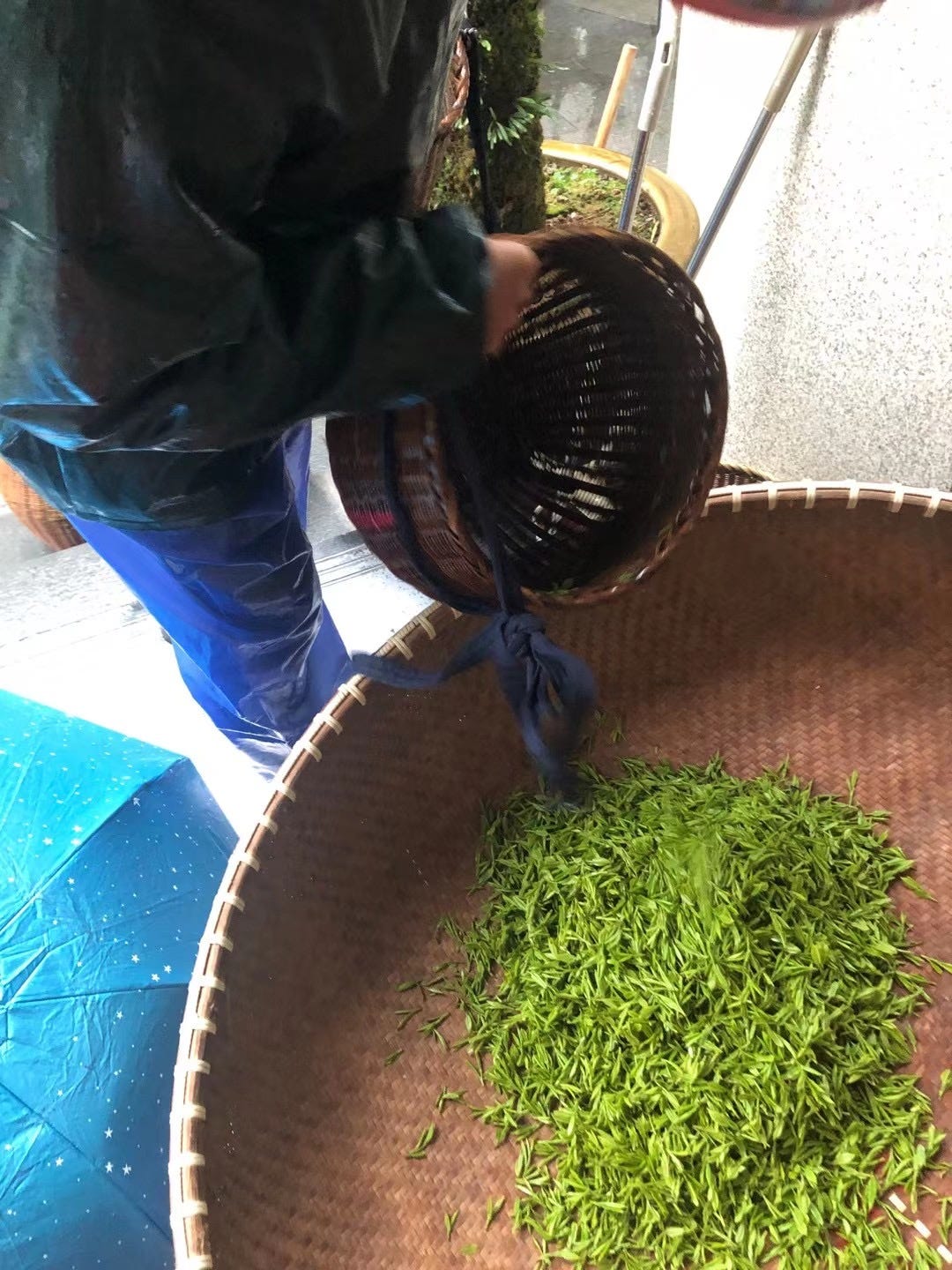
The first is the ming qian, which occurs in late March and early April. This is also known as the imperial plucking, highlighting its role as a tea that could be given as tribute to the Emperor. The second harvest, known as yu qian, occurs two weeks later. Although this is not considered an imperial tea, it is still a high-quality tea. Both undergo drying followed by roasting to remove much of the water content. Roasting also helps flatten out the leaves a little more.
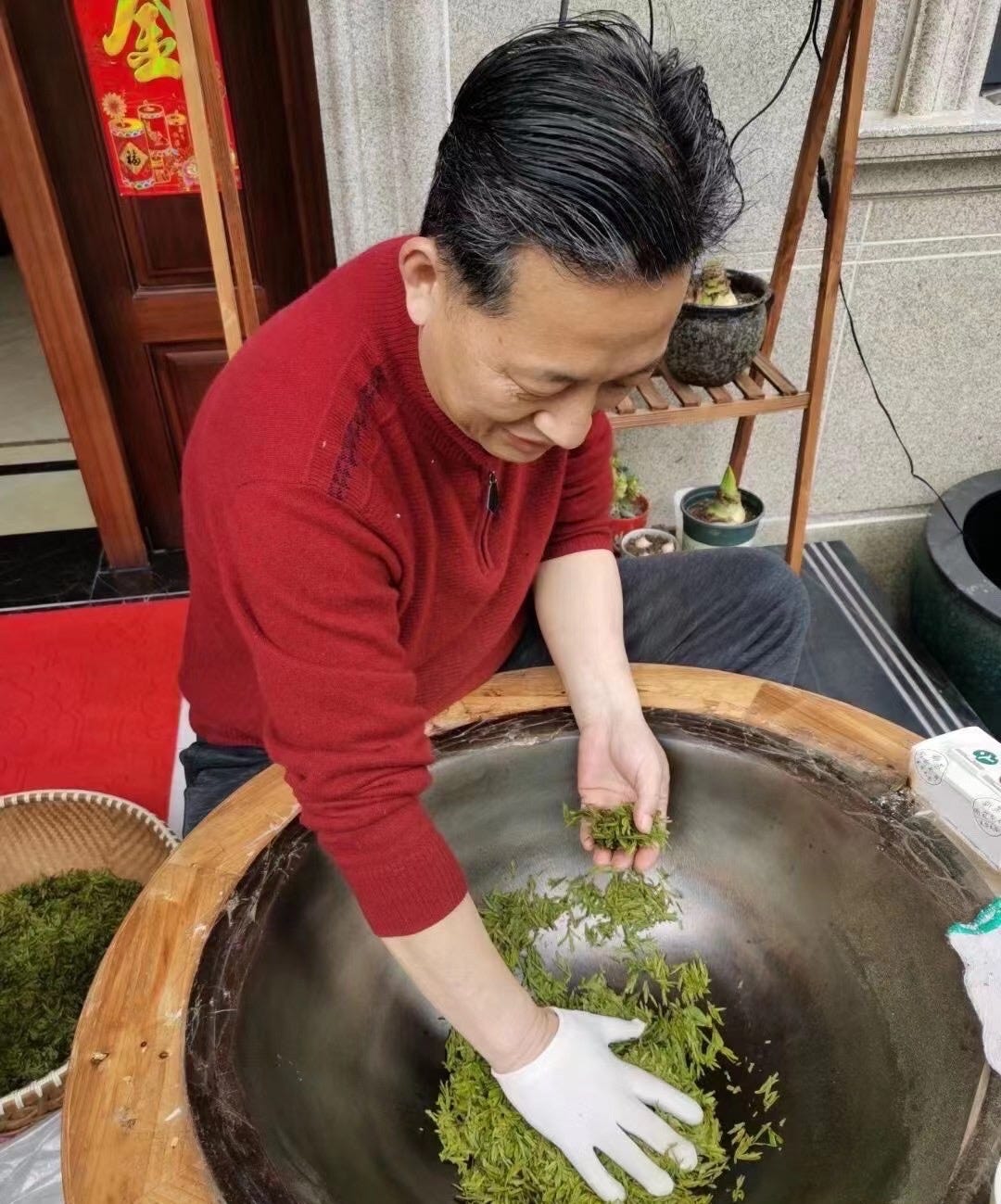
At the time of writing this, we are about a month away from the first harvest, so if you are interested in trying imperial Longjing, I would bookmark a vendor’s site and check their stock a little after the harvest. To be clear, that is not required to get a good Dragonwell. But premium tea can go fast.
Speaking of premium tea, Dragonwell is graded to reflect its quality. The highest quality is “Superior,” which has leaves that are generally flat, tight, and bright green prior to infusion. After infusion, the leaves can be characterized as whole, uniform, and tender.
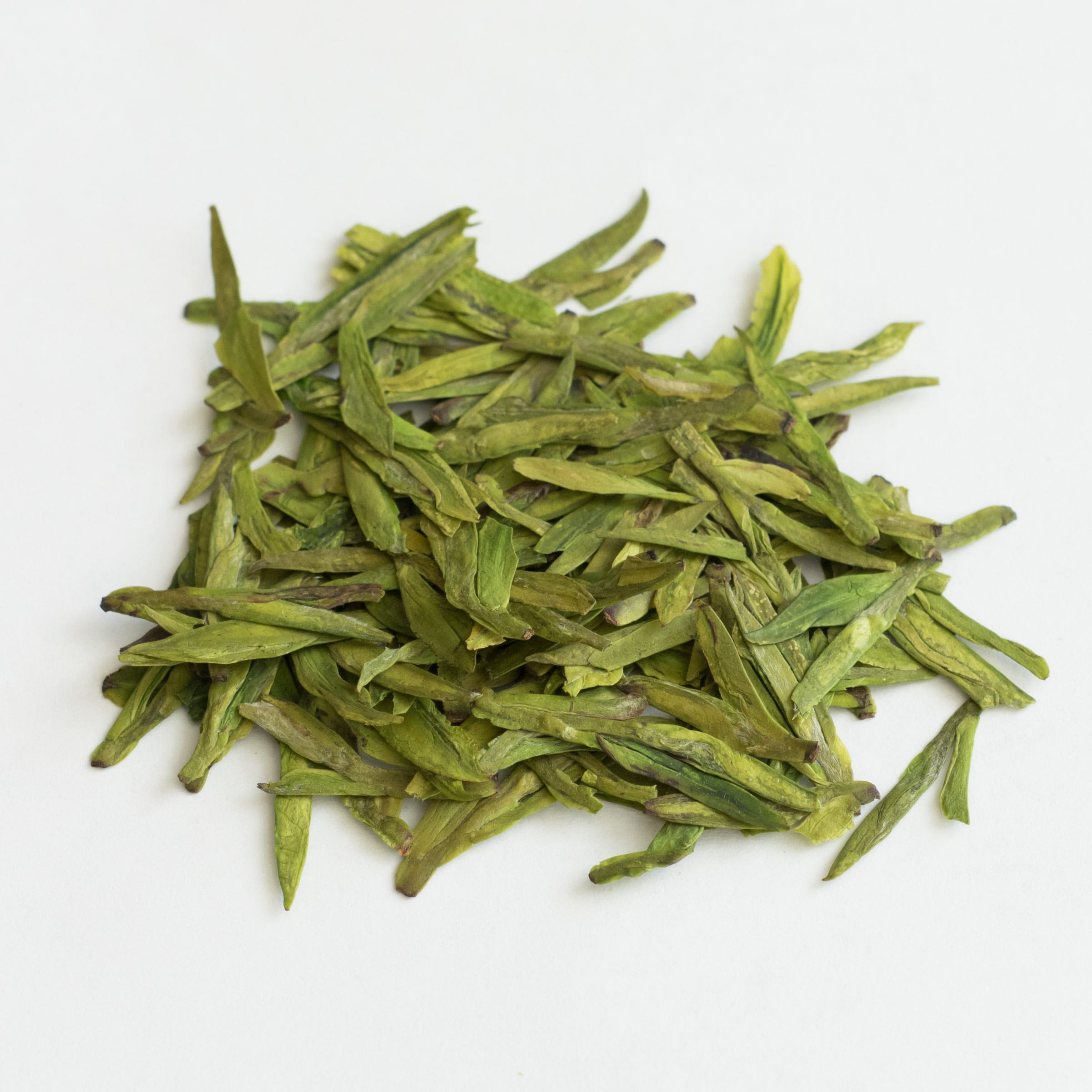
The remaining grades are 1–5, with 5 being the lowest quality. At lower qualities, the leaves tend to display variable coloration upon steeping, including dark green and even blue hues. Of course, some of the color changes can be attributed to pan-roasting, but other factors, such as the terroir, play a role in the quality of this tea.
Water, temperature, and light must all be considered to produce good Longjing. This is a water-intensive tea, so it grows best in areas with high annual precipitation totals. Likewise, higher humidity and soils with a high water capacity are ideal for this tea. Longjing is sensitive to temperatures, preferring a temperature range of 10–20 °C (50–68 °F). Although it can still grow at temperatures outside this range, the quantity (and, I'd imagine, the quality) will diminish significantly. At warmer temperatures (≥35 °C), growth can be inhibited, thereby reducing yield. (As an aside, understanding how climate change will impact Dragonwell tea seems like a ripe area of research.) Finally, this tea is sensitive to sunlight and has some shade resistance. Although it still needs some sunlight for photosynthesis, the plant can still do well under cloudy conditions. This is not all too surprising, considering the water requirements. There, of course, are other factors that influence the growth of this tea, but I am going to stop here so I can talk about the tea I had.
(Don’t) Spill the Tea
The tea discussed here is Organic Dragonwell Lung Ching Green Tea from Arbor Teas in Ann Arbor, Michigan. I am not going to discuss the shop simply because I have already done that in prior posts (see Organic Nettle Leaf Tea). This tea is not the premium version (Arbor Teas offers one, but I do not know whether it is considered ming qian), but it was still a good quality tea. It was also produced by the Da Zhang Shan Tea Garden in Jiangxi Province. Although this is outside the traditional Longjing area, the tea garden still produces good tea. Moreover, it is Fair Trade certified, having received this designation in 2001, the first in China. According to Arbor Tea, the premiums associated with this certification have gone toward “[renovating] 3 factories, [establishing] a microcredit program, and [building] a school, among many other initiatives.”
I forgot to take a photo, but the tea that I received was quite a bit greener than the image on the product page (below). In fact, it looked more like the premium version, but I did not order it.
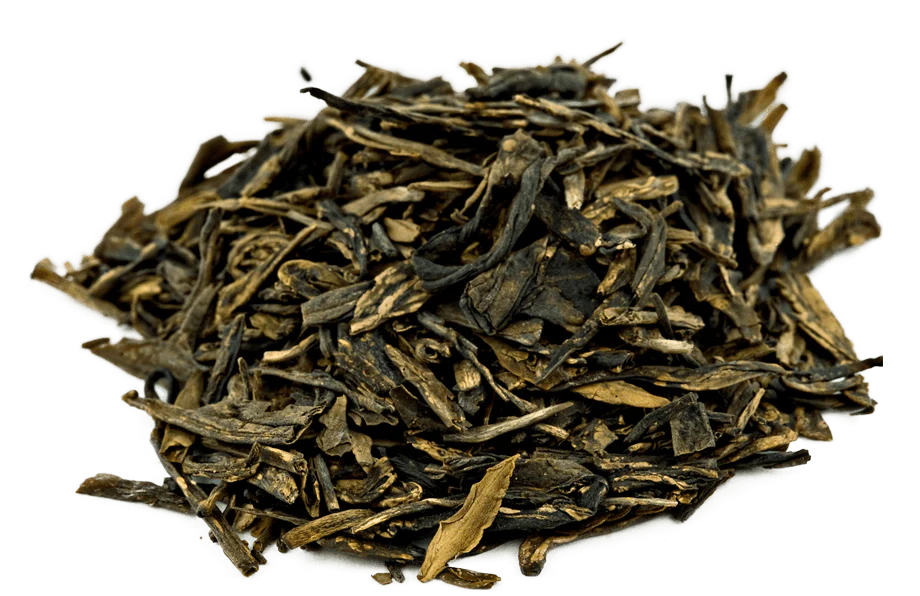
The aroma of this tea was pleasantly grassy, and its flavor followed suit. There was also a mild heartiness, almost nutty flavor to the tea. Arbor Teas describes the tea similarly. There was also an extremely faint sweetness to the tea, though I think this may have been the floral notes that can sometimes be tasted in Longjing.
One last thing to note is that the number of steeps that you can get out of this particular tea is limited. The best that I could get was 2 before I had to add more leaves. That was unusual because Longjing does really well when brewed in a gaiwan (i.e., gongfu brewing). However, I struggled to get this to work for me. Usually, I just used a combination of gongfu and western brewing methods. Still, it was a good tea, despite the difficulties.
Instructions
~2 g (equating to roughly 1.25–1.5 tsp) of tea for every 237 mL (8 fl. oz.) of filtered water.
The instructions use teaspoons instead of grams, but since there is a lot of variability in the amount of tea, I just used a rough approximation. On the website, the instructions says 2 tsp, so I think there is some flexibility here.
Water temperature: 82.2 °C (180 °F)
Slightly higher if you are brewing this gongfu style.
Steep time: 2–3 minutes
I tried steeping this for a shorter amount of time (1–1.5 minutes), and it was not great. Longer steep times were still good, but I found myself going with 3 minutes more often than not.
Conclusion
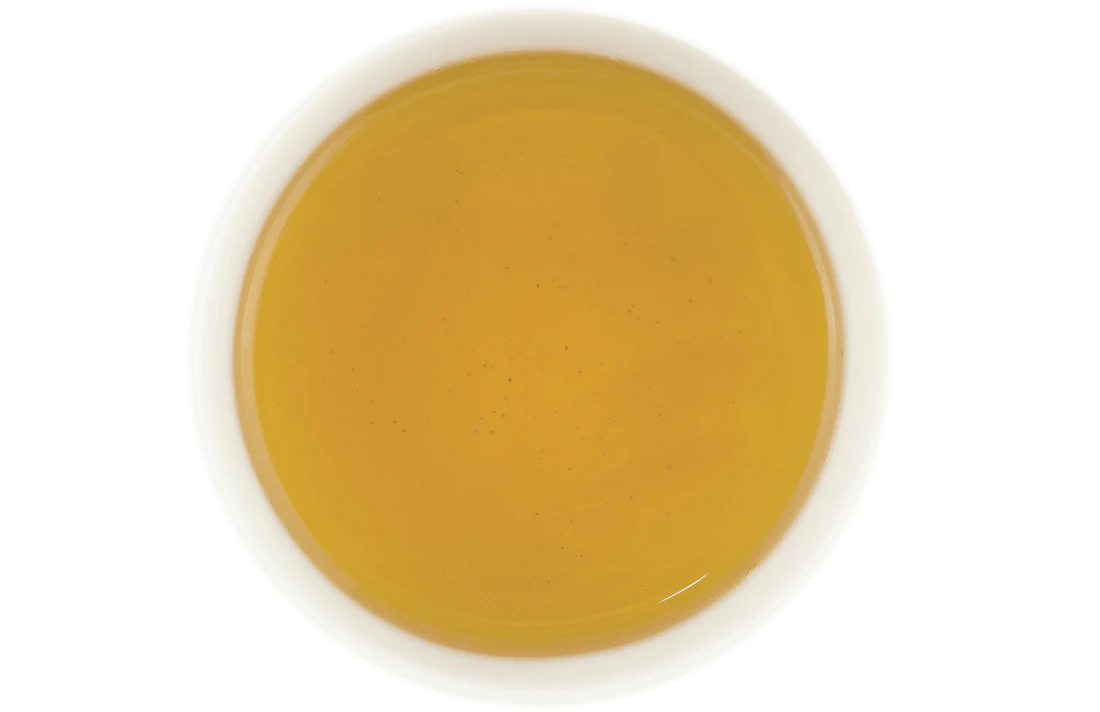
Overall, I enjoyed this tea. (I feel like that is becoming a common theme, though I genuinely try to look for the best in each tea. Maybe I should be harsher?) The roasted vegetal qualities were delightful. Truth be told, there was a sense of serenity when drinking this tea. However, if I had one complaint, it would be that I had difficulty brewing under a full gongfu-style tea. That might change with a different tea, or taking a grandpa-style approach (a type of gongfu brewing, but even more casual), or simply using more leaves. (That last point holds true for most teas.) I suppose I will have to order it again, but in a larger quantity. That, or buy another Dragonwell (Spoiler: I bought some from Cup and Kettle, and it just arrived). Don’t see why I can’t do both.
Until next time.